

How Often Should You Take Your Cat to the Vet? A Complete Guide
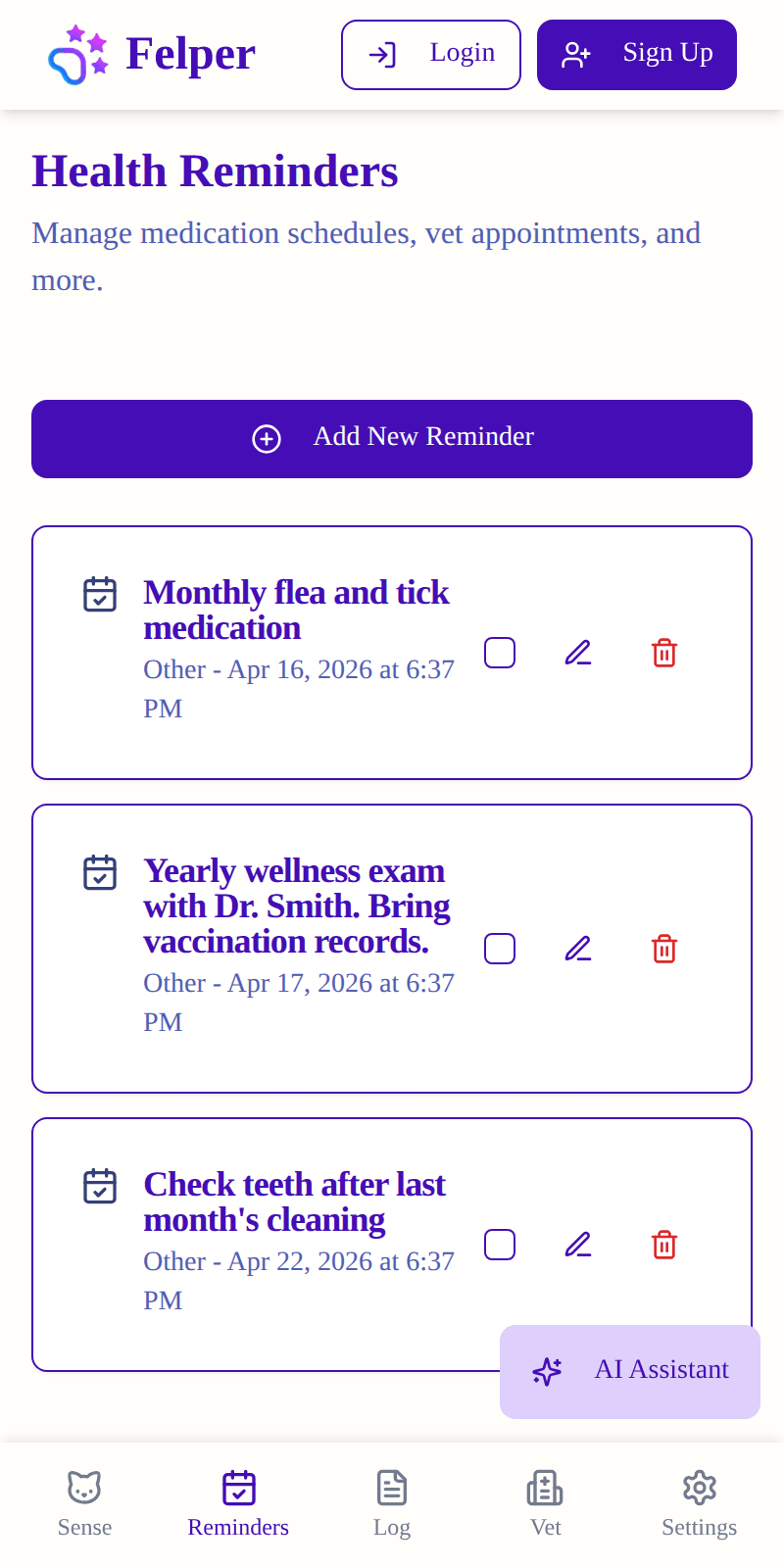
One of the most common questions cat owners have is, "How often does my cat really need to see the vet?" Unlike dogs, who might visit the vet more frequently for walks or grooming, cats are masters of disguise when it comes to their health. They often hide signs of illness until it's serious. Regular veterinary checkups are the best way to catch potential problems early and ensure your feline friend lives a long, happy life.
Kittens (0-1 Year): Building a Healthy Foundation
The first year of a cat's life is crucial. Kittens need frequent visits to monitor their rapid growth and build immunity. Typically, you should expect to visit the vet every 3 to 4 weeks until they are about 16 weeks old.
These visits will cover essential vaccinations (like FVRCP and Rabies), deworming, and testing for feline leukemia (FeLV) and FIV. It's also the perfect time to discuss spaying or neutering, usually done around 6 months of age.
Adult Cats (1-7 Years): The Annual Checkup
Once your cat reaches adulthood, the standard recommendation is an annual wellness exam. Think of it as a yearly physical. Even if your cat seems perfectly healthy, these visits are vital.
During an annual exam, the vet will check your cat's weight, teeth, heart, and lungs. They'll also update any necessary booster shots. Dental health is often overlooked, but an annual check can prevent painful tooth decay and gum disease later in life.
Senior Cats (7+ Years): Twice a Year is Best
As cats age, they become more prone to age-related issues like kidney disease, hyperthyroidism, diabetes, and arthritis. Because cats age faster than humans (a 10-year-old cat is roughly equivalent to a 56-year-old human), a lot can change in a year.
For senior cats, veterinarians typically recommend checkups every 6 months. These semi-annual visits often include blood work and urinalysis to catch early signs of organ dysfunction, which are much easier to manage when detected early.
When to Go Immediately
Outside of scheduled checkups, you should see a vet immediately if you notice sudden changes in behavior, such as:
- Changes in appetite or water intake - Litter box issues (urinating outside the box) - Unexplained weight loss or gain - Lethargy or hiding more than usual - Vomiting or diarrhea for more than 24 hours