

Understanding Your Cat's Behavior: A Comprehensive Guide
Cats are mysterious creatures, but their body language speaks volumes. Understanding what your cat is trying to tell you can strengthen your bond and ensure their well-being.
The Tale of the Tail
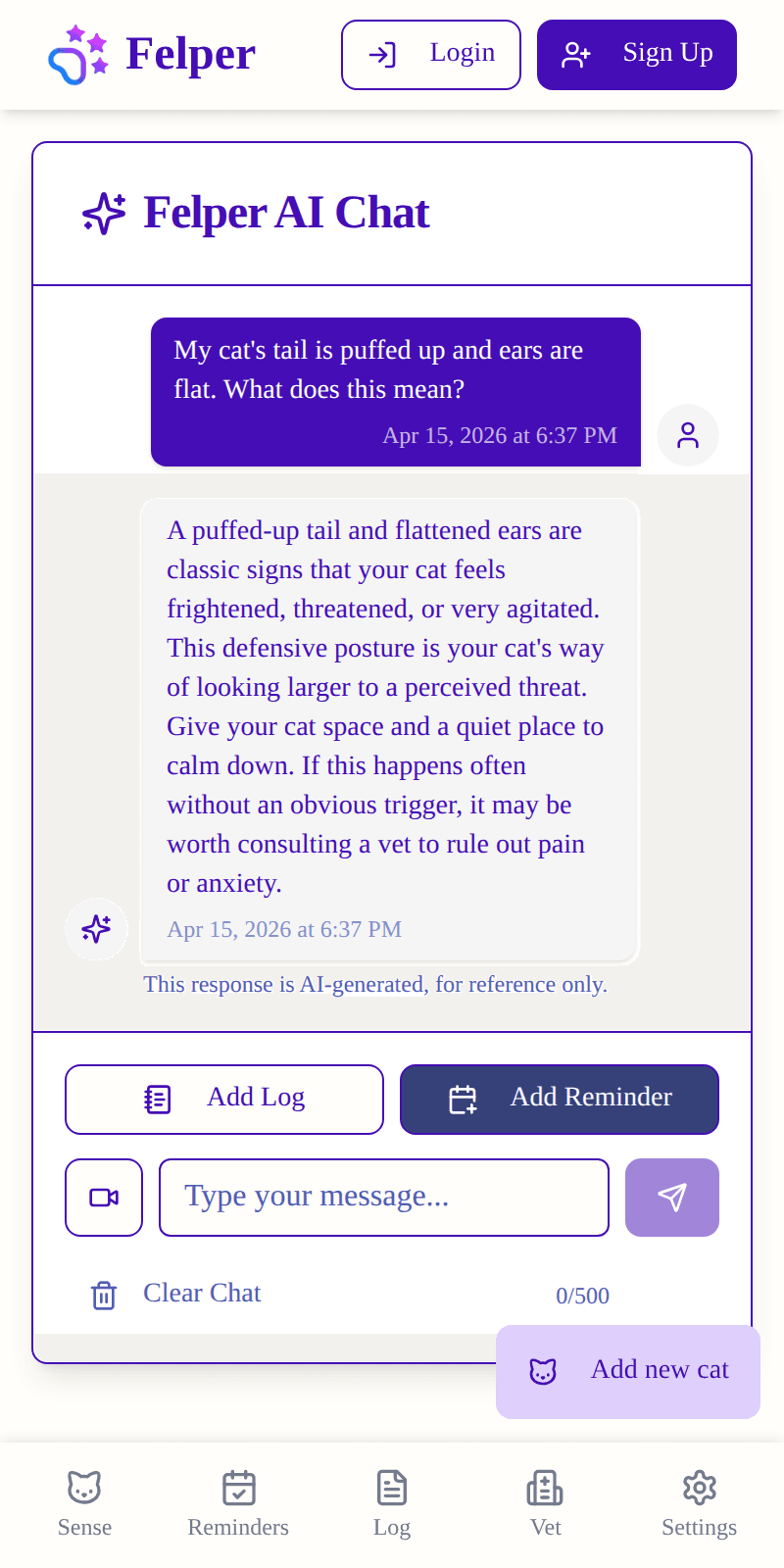
A cat's tail is a mood barometer. A high, upright tail usually signals happiness and confidence, while a puffed-up tail indicates fear or aggression.
Vocalizations
From meows to chirps and purrs, cats use a variety of sounds to communicate. A soft meow might be a greeting, while a persistent, loud meow could signify hunger or a desire for attention. Purring often means contentment, but it can also be a self-soothing mechanism when a cat is stressed or in pain. Pay attention to the pitch and context to understand their needs.
Decoding Ear Positions
A cat's ears are incredibly mobile and expressive. Forward-facing ears show alertness and interest. Ears turned to the sides (airplane ears) can indicate irritation or anxiety. When ears are flat against the head, it's a clear sign of fear or aggression, and it's best to give the cat space.
The Eyes Have It: Feline Eye Signals
Your cat's eyes can tell you a lot about their emotional state. A slow blink is a sign of trust and affection, often called a 'cat kiss.' You can even slow-blink back to show them you are comfortable and not a threat. Wide, dilated pupils can mean fear, excitement, or surprise, while constricted pupils might indicate aggression or bright lighting.
Common Behaviors and What They Mean
Kneading
Often called 'making biscuits,' kneading is an instinctive behavior from kittenhood, associated with nursing and comfort. When your cat kneads on you, they are showing contentment and marking you as their own with the scent glands in their paws.
Bunting (Head-Butting)
When a cat rubs their cheeks or head against you, it's a social and affectionate behavior known as bunting. They are depositing facial pheromones on you, marking you as a safe and familiar part of their world. It's a sign of a strong bond.
Putting It All Together
By observing these different signals together, you can get a clearer picture of what your cat is feeling. A happy cat might approach you with a high tail, forward ears, give you a slow blink, and start purring while kneading your lap. Recognizing these patterns is key to a harmonious relationship.