

Why Do Cats Eat Grass? The Green Mystery Solved
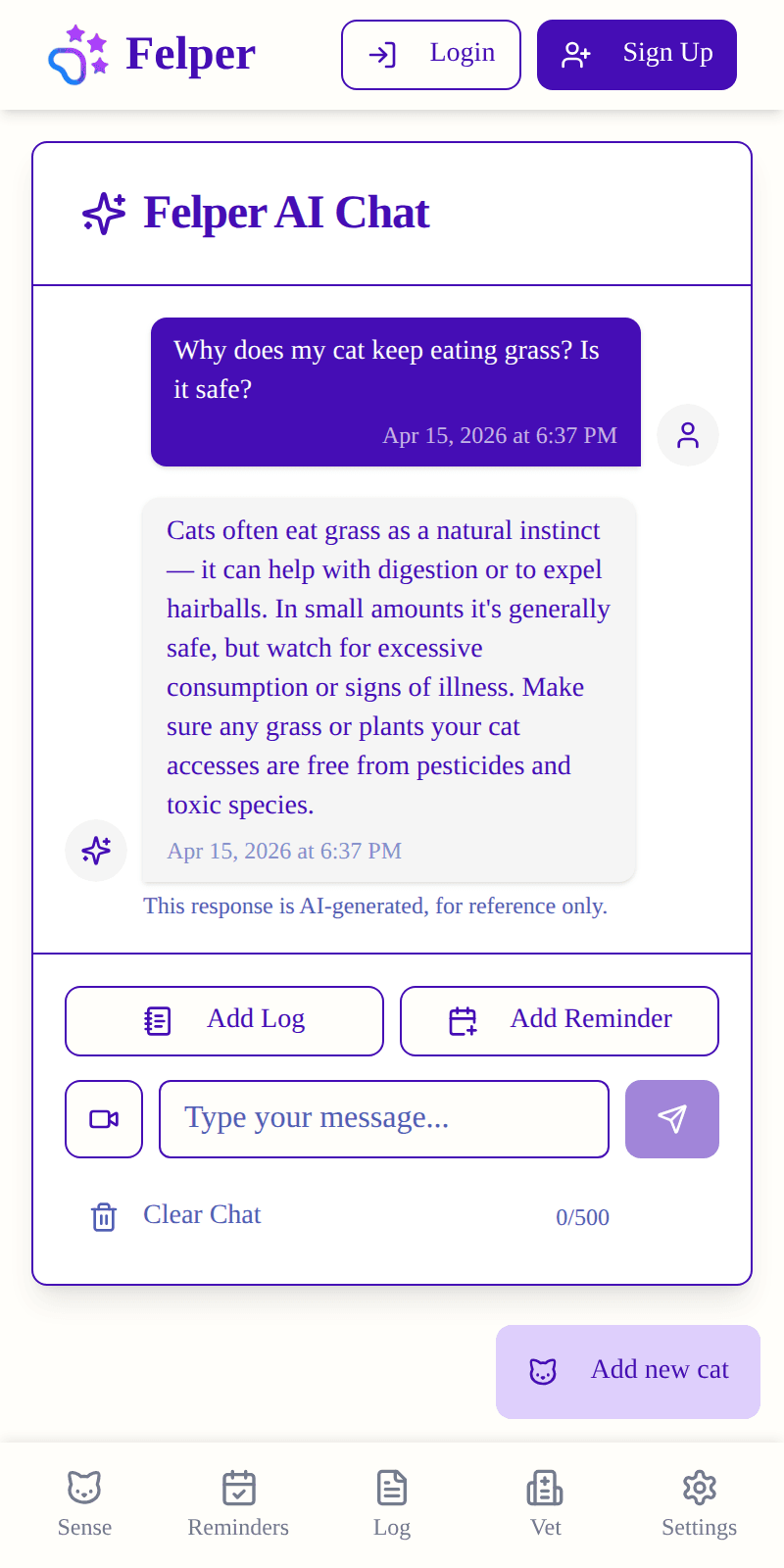
It can be a confusing sight for any cat owner: your obligate carnivore, a hunter designed to eat meat, happily munching on your lawn or houseplants. Why do cats eat grass? Is it a sign of illness, a dietary deficiency, or just a quirky habit? While it might seem counterintuitive, eating grass is actually a common and often normal behavior for cats.
Nature's Digestive Aid
One of the most widely accepted theories is that grass acts as a natural digestive aid. Cats lack the enzymes to digest large amounts of grass, so eating it often causes them to vomit. While this sounds unpleasant to us, it serves a purpose for the cat. In the wild, cats eat their prey whole, including bones, fur, and feathers. Grass can help irritate the stomach lining, inducing vomiting to clear out these indigestible parts.
Even for modern house cats who aren't hunting birds or mice, grass can help clear the stomach of fur swallowed during grooming, potentially preventing painful hairballs.
A Nutritional Boost
Grass juice contains folic acid, a B vitamin that is essential for a cat's health. Folic acid helps in the production of hemoglobin, the protein in red blood cells that carries oxygen. It's possible that cats instinctively crave grass when they need a boost of this vital nutrient, especially if their regular diet is lacking in it.
A Natural Laxative
Beyond inducing vomiting, grass can also work at the other end of the digestive tract. The fiber in grass can act as a natural laxative, adding bulk to the stool and helping it pass more easily. This can be particularly helpful for cats suffering from mild constipation or those needing help passing hairballs through their system.
Is It Safe?
Generally, eating grass is safe for cats. However, there are risks to be aware of. The biggest danger is not the grass itself, but what might be on it. Lawns treated with pesticides, herbicides, or fertilizers can be toxic to cats. Additionally, many common houseplants are poisonous to felines, such as lilies, philodendrons, and azaleas.
Portion Control: Preventing Overeating and Lethargy
While understanding why cats eat grass is important, it's equally crucial to monitor their overall food intake. Free feeding—leaving food available all day—can lead to overeating and obesity. Overweight cats often become lethargic, sleeping excessively and losing interest in play and exercise. Unlike grazing naturally on grass, unrestricted access to calorie-dense cat food can quickly lead to weight gain and health issues.
Instead of free feeding, establish scheduled meal times with portion-controlled amounts. This approach mimics cats' natural hunting behavior, provides structure, and helps maintain a healthy weight. Monitoring your cat's eating habits and maintaining proper portions can prevent the sluggishness and reduced activity that often accompany overeating.
Providing a Safe Alternative
To keep your cat safe while satisfying their grazing instinct, consider growing a pot of 'cat grass' indoors. Cat grass is typically a mixture of seeds like wheat, oats, rye, or barley. It's easy to grow, safe for your cat to eat, and ensures they aren't munching on chemically treated lawns or toxic houseplants.