

Why Do Cats Purr? The Surprising Reasons Behind the Rumble
The gentle, rhythmic rumble of a purring cat is one of the most comforting sounds to a cat owner. We often associate it with happiness and contentment, but there's much more to this feline vocalization than meets the ear. Understanding why cats purr can deepen the bond with your pet and provide insights into their health and emotional state.
The Anatomy of a Purr
A cat's purr is a unique vocalization produced by the rapid movement of the muscles of the larynx (voice box), combined with the diaphragm. As the cat breathes in and out, air vibrates over these muscles, creating the characteristic rumble. Unlike other vocalizations, cats can purr while inhaling and exhaling, allowing them to create a continuous sound.
It's Not Just About Happiness
While cats certainly purr when they are feeling content and relaxed, they also purr in other situations. Here are some of the other reasons your cat might be purring:
Self-Soothing and Healing
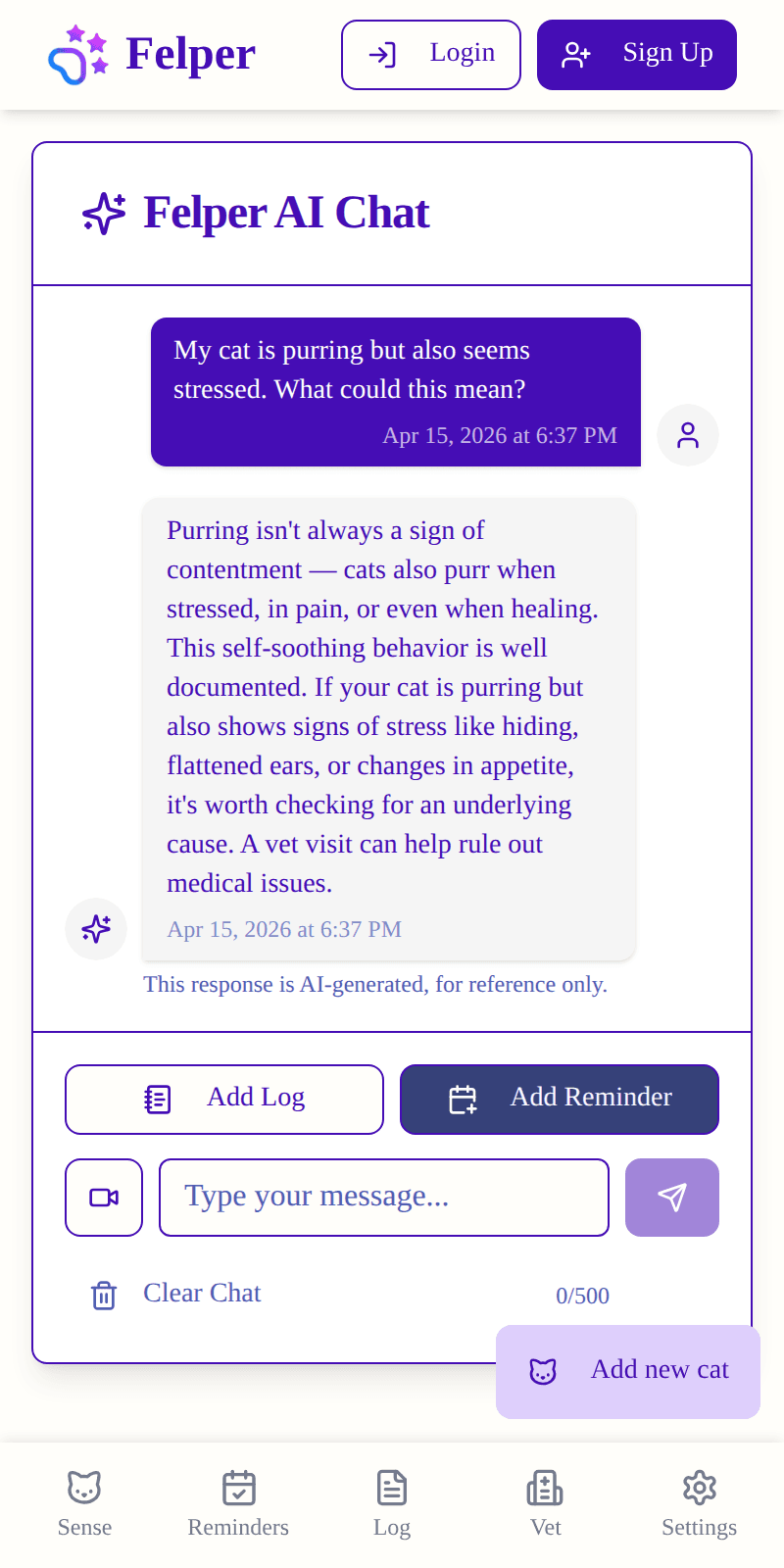
Cats often purr when they are stressed, in pain, or frightened. The low-frequency vibrations of purring (between 25 and 150 Hertz) are believed to have healing properties. Studies have shown that these vibrations can help to mend bones, repair tendons, and reduce pain and swelling. So, when your cat purrs after an injury, they may be engaging in a form of self-therapy.
Communication with Kittens
Mother cats purr to guide their newborn kittens, who are born blind and deaf. The vibrations help the kittens locate their mother for nursing and warmth. This early-life association with comfort and security is one of the reasons we find purring so reassuring.
A Form of Request
Cats may use a specific type of purr to solicit care from their owners. This 'solicitation purr' combines the normal low-frequency purr with a higher-frequency cry, similar to a human baby's cry. This sound is harder for humans to ignore and is often effective in getting attention or a meal.
How to Interpret Your Cat's Purr
To understand what your cat is communicating, pay attention to the context. If your cat is curled up on your lap, relaxed, and purring, it's likely a sign of affection. However, if the purring is accompanied by tense body language, such as flattened ears or a twitching tail, it could be a sign of stress or pain.